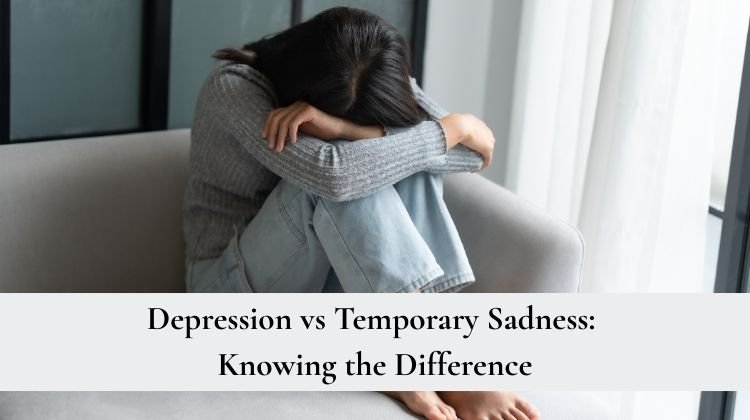
Feeling sad is a natural human emotion. Everyone experiences sadness after disappointment, loss, stress, or major life changes. However, when low mood lingers, deepens, or starts affecting daily life, it may indicate something more serious than temporary sadness. Understanding the difference between depression and temporary sadness is crucial for early intervention and emotional well-being.
What Is Temporary Sadness?
Temporary sadness is a normal emotional response to specific situations. It may arise after a breakup, job stress, failure, conflict, or personal loss. Although uncomfortable, sadness usually fades with time and emotional processing.
Common characteristics of temporary sadness include:
- A clear trigger or reason
- Short duration, usually hours or days
- Mood improves with rest, support, or positive activities
- Ability to continue daily responsibilities
- Feelings fluctuate rather than persist
Sadness allows the mind to process emotions and adapt to life changes. It does not usually interfere severely with work, relationships, or self-care.
What Is Depression?
Depression is a clinical mental health condition that affects mood, thoughts, behavior, and physical health. Unlike temporary sadness, depression often occurs without a clear reason or continues long after the original trigger has passed.
Depression is not a sign of weakness or something a person can simply “snap out of.” It requires understanding, support, and often professional treatment.
Common signs of depression include:
- Persistent low mood lasting more than two weeks
- Loss of interest in activities once enjoyed
- Constant fatigue or low energy
- Sleep disturbances, either insomnia or oversleeping
- Changes in appetite or weight
- Feelings of hopelessness, guilt, or worthlessness
- Difficulty concentrating or making decisions
- Withdrawal from friends and family
In more severe cases, depression may include thoughts of self-harm or feeling that life is not worth living.
Key Differences Between Depression and Temporary Sadness
Duration
Sadness is temporary and gradually improves. Depression lasts weeks, months, or longer without proper care.
Intensity
Sadness comes in waves and may ease during positive moments. Depression feels heavy and constant, affecting most parts of the day.
Impact on Daily Life
People experiencing sadness can usually function at work or home. Depression often disrupts productivity, relationships, and personal hygiene.
Emotional Range
With sadness, emotions still feel accessible. With depression, people often feel numb, empty, or disconnected.
Response to Support
Sadness improves with reassurance, rest, or time. Depression may persist despite encouragement and requires structured treatment.
Can Sadness Turn into Depression?
Yes, prolonged unresolved sadness can sometimes develop into depression, especially when combined with stress, trauma, lack of support, or underlying mental health vulnerabilities. This is why early emotional awareness is important.
If low mood persists for more than two weeks or starts affecting sleep, appetite, work, or relationships, it is advisable to seek professional guidance.
Why Many People Delay Seeking Help
Many individuals dismiss depression as “just a phase” or believe they should handle it alone. Cultural stigma, fear of judgment, or misunderstanding mental health often delays treatment.
Ignoring depression can worsen symptoms and make recovery more challenging. Early support leads to better outcomes and faster healing.
When to Seek Professional Help
Consider reaching out to a mental health professional if:
- Sadness lasts longer than two weeks
- You feel emotionally numb or hopeless
- Daily tasks feel overwhelming
- You withdraw from people you care about
- Sleep and appetite are consistently disturbed
- You experience thoughts of self-harm
Seeking help is a sign of strength, not failure.
How Treatment Helps
Depression is treatable. With the right approach, individuals can regain emotional balance and quality of life. Treatment may include:
- Psychological therapy
- Lifestyle and routine adjustments
- Stress management techniques
- Emotional support and counseling
- Medical evaluation when needed
Each treatment plan should be personalized based on symptoms and individual needs.
Supporting Someone Experiencing Depression
If someone close to you is struggling:
- Listen without judgment
- Avoid minimizing their feelings
- Encourage professional help
- Stay patient and supportive
- Check in regularly
Your presence can make a significant difference.
Final Thoughts
Feeling sad is a part of being human, but living in a constant state of emotional heaviness is not something anyone should endure alone. Recognizing the difference between temporary sadness and depression helps individuals seek timely care, reduce suffering, and restore emotional well-being.
If you or someone you care about is struggling, professional support can provide clarity, healing, and hope.
About The Author