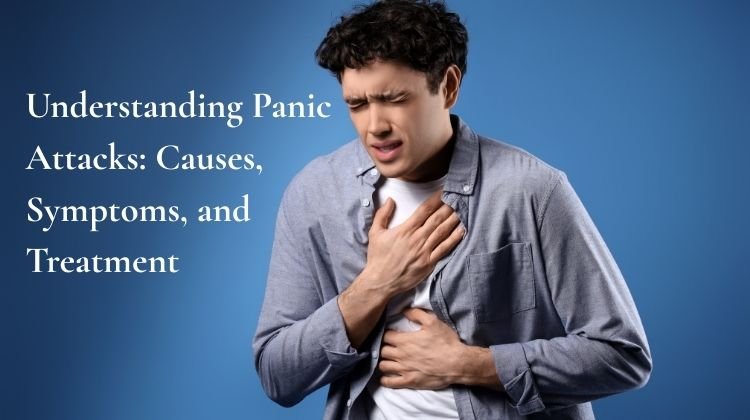
What Is a Panic Attack?
A panic attack is a sudden episode of intense fear that triggers severe physical and emotional reactions even when there is no real danger. These attacks usually begin abruptly, peak within minutes, and can last from a few minutes to about 30 minutes.
During a panic attack, the body activates its natural fight or flight response, releasing stress hormones that cause rapid breathing, increased heart rate, and heightened alertness.
Although panic attacks can feel overwhelming, they are not life threatening. However, frequent attacks may indicate panic disorder, a type of anxiety disorder that requires professional care.
What Are the Common Symptoms of Panic Attacks?
Panic attacks often involve both physical and psychological symptoms that appear suddenly.
Physical symptoms of panic attacks
- Rapid heartbeat or palpitations
- Shortness of breath
- Chest pain or tightness
- Sweating
- Trembling or shaking
- Dizziness or lightheadedness
- Nausea or stomach discomfort
- Tingling or numbness in hands or feet
- Chills or hot flashes
Psychological symptoms of panic attacks
- Sudden intense fear
- Feeling detached from reality
- Fear of losing control
- Fear of dying
- Sense of impending danger or doom
Many people mistake panic attacks for heart attacks or medical emergencies because the symptoms can feel very similar.
What Causes Panic Attacks?
Panic attacks can occur due to several factors, often involving a combination of biological, psychological, and environmental triggers.
Common causes include:
- High Stress Levels
Major life events such as job loss, financial difficulties, relationship conflicts, or trauma can trigger panic attacks. - Anxiety Disorders
People with anxiety conditions like generalized anxiety disorder or social anxiety are more prone to panic attacks. - Genetics
A family history of anxiety or panic disorders may increase risk. - Brain Chemistry Changes
Imbalances in brain chemicals involved in fear response can contribute to panic attacks. - Certain Medical Conditions
Thyroid disorders, respiratory issues, and heart conditions may trigger symptoms similar to panic attacks. - Stimulants or Substance Use
Excess caffeine, alcohol, or stimulant drugs can increase the likelihood of panic attacks.
What Happens During a Panic Attack?
During a panic attack, the brain perceives danger even when there is no real threat.
This activates the body’s fight or flight response, which causes:
- Increased heart rate
- Rapid breathing
- Muscle tension
- Heightened alertness
The physical sensations may intensify anxiety, creating a cycle where fear increases symptoms and symptoms increase fear.
How Long Do Panic Attacks Last?
Most panic attacks reach their peak within 10 minutes and usually subside within 20 to 30 minutes. However, the emotional after effects such as exhaustion or worry may last longer.
Some individuals may experience multiple panic attacks in a short period, which can significantly affect daily functioning.
How Panic Attacks Affect Daily Life
Frequent panic attacks can impact many areas of life, including:
- Work productivity
- Social interactions
- Travel and daily routines
- Emotional wellbeing
Many people develop a fear of having another panic attack, which may cause them to avoid certain places or situations. Over time, this avoidance behavior can lead to agoraphobia, where individuals feel unsafe leaving familiar environments.
How Are Panic Attacks Diagnosed?
Diagnosis usually involves a clinical evaluation by a mental health professional. The doctor reviews symptoms, medical history, and frequency of attacks.
Medical tests may also be performed to rule out conditions such as:
- Heart disease
- Thyroid problems
- Respiratory issues
Accurate diagnosis helps determine whether the person is experiencing isolated panic attacks or panic disorder.
What Are the Best Treatments for Panic Attacks?
Panic attacks are highly treatable. Treatment typically includes therapy, lifestyle adjustments, and sometimes medication.
Cognitive Behavioral Therapy (CBT)
CBT is one of the most effective therapies for panic disorder. It helps individuals identify negative thought patterns and develop healthier coping strategies.
Medication
Doctors may prescribe medications such as:
- Antidepressants
- Anti anxiety medications
These help regulate brain chemistry and reduce symptoms.
Breathing and Relaxation Techniques
Deep breathing exercises, meditation, and relaxation techniques help calm the nervous system during an attack.
Lifestyle Changes
Healthy lifestyle habits can reduce panic attack frequency, including:
- Regular physical activity
- Adequate sleep
- Limiting caffeine and stimulants
- Practicing stress management
When Should You Seek Professional Help?
Professional support is recommended if:
- Panic attacks occur frequently
- Symptoms interfere with work or relationships
- Fear of future attacks causes avoidance behavior
- Anxiety feels overwhelming or uncontrollable
Early treatment significantly improves recovery and prevents symptoms from worsening.
Final Thoughts
Panic attacks can be frightening, but they are manageable with proper care and support. Understanding the causes, symptoms, and treatment options allows individuals to recognize panic attacks early and seek appropriate help.
With the right treatment approach, people experiencing panic attacks can regain confidence, reduce anxiety, and lead balanced, fulfilling lives.