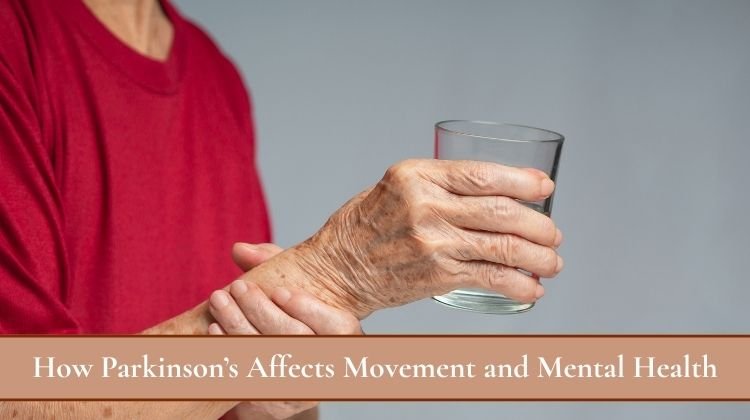
Parkinson’s disease is widely recognized for causing tremors and movement difficulties. However, its effects extend far beyond physical symptoms. Parkinson’s also influences emotional health, thinking abilities, sleep patterns, and overall quality of life. For many individuals and families, the emotional and psychological impact can be just as challenging as the physical limitations.
A comprehensive understanding of both movement and mental health effects is essential for early diagnosis, proper treatment, and long term management.
What Is Parkinson’s Disease?
Parkinson’s disease is a progressive neurological disorder that affects the central nervous system. It develops gradually due to the degeneration of dopamine producing neurons in a region of the brain called the substantia nigra. Dopamine is a neurotransmitter responsible for coordinating smooth muscle movements and regulating mood, motivation, and reward.
As dopamine levels decline, communication between brain cells becomes impaired. This leads to the motor and non motor symptoms commonly associated with the condition.
Parkinson’s typically develops after the age of 60, although early onset cases can occur. The progression varies from person to person.
How Parkinson’s Affects Movement
Movement related symptoms are usually the earliest and most noticeable signs of Parkinson’s disease.
1. Tremors
Resting tremors are often the first symptom. They commonly begin in one hand or fingers and may later spread to other parts of the body. Tremors are usually more noticeable when the limb is relaxed.
2. Bradykinesia (Slowness of Movement)
Bradykinesia refers to the gradual slowing down of voluntary movement. Tasks that once required little effort, such as walking, getting out of a chair, or buttoning clothes, become time consuming and frustrating.
3. Muscle Rigidity
Muscle stiffness can occur in any part of the body. It may cause discomfort, reduced range of motion, and difficulty turning or bending.
4. Postural Instability
Balance problems often develop in later stages. This increases the risk of falls and injuries.
5. Gait Changes
Many individuals develop a shuffling walk with smaller steps. Arm swing may decrease while walking.
6. Facial and Speech Changes
Reduced facial expression, sometimes called masked face, can make a person appear emotionally distant. Speech may become softer or monotone, making communication challenging.
Over time, fine motor skills such as writing or handling small objects are affected. Daily activities that once felt automatic begin to require conscious effort.
Non Motor Symptoms of Parkinson’s
While motor symptoms are visible, non motor symptoms can be equally impactful and sometimes appear years before movement problems.
Depression
Depression is one of the most common non motor symptoms. It may develop due to chemical changes in the brain as well as emotional reactions to diagnosis. Individuals may feel sadness, hopelessness, or a lack of interest in activities they once enjoyed.
Anxiety
Anxiety disorders, including generalized anxiety or panic symptoms, are common. Fear of disease progression or losing independence can intensify anxious thoughts.
Cognitive Changes
Cognitive changes may include slowed thinking, reduced attention span, difficulty multitasking, and mild memory issues. In advanced stages, Parkinson’s disease dementia may develop.
Sleep Disorders
Sleep disturbances are frequent. Individuals may experience insomnia, excessive daytime sleepiness, or vivid dreams. Poor sleep can worsen mood and fatigue.
Fatigue
Persistent fatigue is common and can occur even when physical activity is limited. This exhaustion affects motivation and mental clarity.
Hallucinations or Psychosis
In later stages, some individuals may experience visual hallucinations or confusion, especially if medications require adjustment.
Emotional and Psychological Impact
Living with a chronic progressive condition can affect self identity and confidence. Many individuals struggle with:
- Frustration due to physical limitations
- Embarrassment related to tremors or slowed speech
- Fear of becoming dependent on others
- Reduced participation in social activities
Social withdrawal is common, especially when mobility declines. Communication challenges can strain relationships, leading to feelings of isolation.
Family members and caregivers also experience emotional stress. They may feel overwhelmed, anxious about the future, or uncertain about how to provide the right support.
Why Mental Health Care Is Crucial
Movement symptoms often receive primary medical attention, but mental health concerns are equally important. Untreated depression and anxiety can:
- Reduce motivation to attend therapy
- Lower medication adherence
- Increase social withdrawal
- Worsen physical symptoms
Early mental health evaluation ensures a holistic approach to care.
Psychological counseling, support groups, and medication adjustments can significantly improve emotional wellbeing.
Treatment Approaches
Parkinson’s management requires a multidisciplinary strategy.
Medication
Dopamine replacement therapy is the primary treatment. Medications help manage tremors and stiffness, though they do not cure the disease.
Physical Therapy
Regular physical therapy improves strength, coordination, flexibility, and balance. Exercise slows functional decline and improves mobility.
Occupational Therapy
Occupational therapists teach strategies to maintain independence in daily activities such as dressing, eating, and writing.
Speech Therapy
Speech therapy improves voice clarity and swallowing function.
Psychological Counseling
Therapy helps individuals cope with emotional changes, adjust to diagnosis, and manage anxiety or depression.
Lifestyle Strategies for Better Outcomes
Certain lifestyle adjustments enhance quality of life:
- Gentle daily exercise such as walking or stretching
- Structured routines to reduce confusion
- Balanced diet to maintain energy levels
- Cognitive stimulation such as reading or puzzles
- Social interaction to prevent isolation
- Adequate sleep hygiene
Caregiver education also plays a crucial role in effective management.
The Importance of Early Intervention
Early diagnosis allows timely treatment that can slow symptom progression and preserve independence longer. When movement or mood changes are noticed, professional evaluation is essential.
Regular follow ups help adjust treatment plans as symptoms evolve.
Final Thoughts
Parkinson’s disease affects both movement and mental health. Its impact goes far beyond tremors, influencing cognition, mood, sleep, and emotional stability. A comprehensive care approach that addresses both physical and psychological aspects provides the best long term outcomes.
With early intervention, structured rehabilitation, medical support, and emotional care, individuals living with Parkinson’s can maintain dignity, independence, and improved quality of life for many years.
About The Author