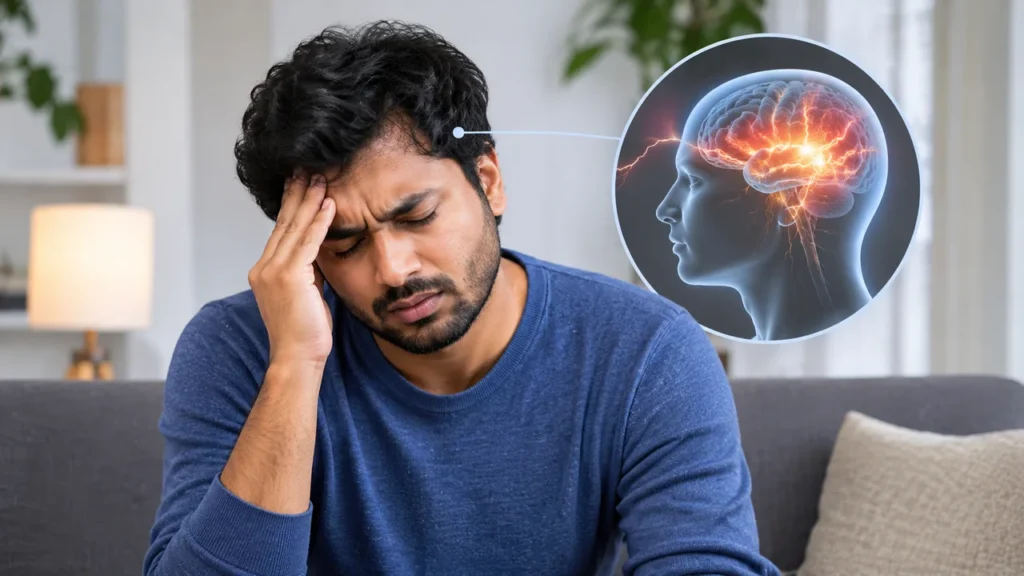
Epilepsy is a neurological condition that affects the brain’s electrical activity and can cause recurrent seizures. It can develop at any age, including adulthood, and may affect a person’s awareness, movement, behaviour and ability to carry out everyday activities.
While some seizures involve muscle stiffening and uncontrolled movements, others may cause brief periods of confusion, unusual sensations or staring. Recognising these differences is important because epilepsy does not look the same in everyone. With an accurate diagnosis and appropriate treatment, many people can manage their seizures and maintain their daily routines.
What Causes Epilepsy in Adults?
Epilepsy can develop for several reasons. In some cases, an underlying condition or previous brain injury contributes to the development of seizures. However, the exact cause isn’t always identified.
Common causes include:
- Stroke – Damage to brain tissue following a stroke can increase the risk of developing epilepsy.
- Head injuries – A severe traumatic brain injury can disrupt normal brain activity and lead to seizures.
- Brain infections – Conditions such as meningitis and encephalitis can damage brain tissue.
- Brain tumours – Abnormal growths in the brain can interfere with electrical activity.
- Genetic factors – Certain inherited genetic changes can increase a person’s susceptibility to epilepsy.
- Other neurological conditions – Some structural, immune-related and metabolic conditions can also contribute.
According to the World Health Organization (WHO), the cause of epilepsy remains unknown in approximately half of cases worldwide.
Different Types of Epileptic Seizures
Seizures don’t look the same in everyone. Their symptoms depend on where abnormal electrical activity begins in the brain and how it spreads.
The International League Against Epilepsy (ILAE) updated its seizure classification in 2025. The main categories are:
- Focal seizures
These begin in a specific area of one side of the brain. Symptoms may include unusual smells, tingling sensations, sudden fear, staring or repetitive movements. A person’s consciousness may remain intact or become impaired.
- Generalised seizures
These involve both sides of the brain from the beginning. They can include:
- Tonic-clonic seizures: Muscle stiffening followed by rhythmic jerking movements, often with loss of consciousness.
- Absence seizures: Brief episodes of reduced awareness, sometimes appearing as staring spells.
- Myoclonic seizures: Sudden, brief muscle jerks.
- Atonic seizures: Sudden loss of muscle tone, which may cause a person to fall.
- Seizures of unknown classification
Sometimes there isn’t enough information to determine whether a seizure is focal or generalised. In such cases, it may initially be classified as having an unknown origin or remain unclassified until further assessment.
Identifying the seizure type helps doctors select appropriate treatment.
How Is Epilepsy Diagnosed?
Diagnosing epilepsy involves understanding the person’s medical history and identifying the nature of their seizures. A doctor may ask what happened before, during and after an episode. Information from someone who witnessed the seizure can also help.
Depending on the situation, investigations may include:
- Electroencephalogram (EEG) – Records electrical activity in the brain and helps identify patterns associated with seizures.
- Magnetic Resonance Imaging (MRI) – Provides detailed brain images to check for structural abnormalities.
- Computed Tomography (CT) – May be used to identify certain brain injuries or abnormalities.
- Blood tests – Help identify medical or metabolic problems that may contribute to seizures.
- Electrocardiogram (ECG) – Checks heart activity to investigate conditions that can resemble seizures.
No single test confirms every case of epilepsy. Diagnosis depends on the overall clinical assessment and investigation findings.
Treatment Options for Epilepsy in Adults
Epilepsy treatment aims to control seizures, reduce their frequency and help individuals maintain their daily activities. The approach depends on seizure type, medical history and individual response.
Common treatment options include:
Anti-seizure medications – These are the main treatment for epilepsy. They help regulate abnormal electrical activity in the brain and reduce the likelihood of further seizures. Medication selection and dosage must be decided by a qualified doctor.
Epilepsy surgery – For selected individuals whose seizures don’t respond adequately to medication, surgery may be considered after specialist evaluation.
Vagus nerve stimulation – This treatment uses an implanted device to send electrical signals through the vagus nerve, helping reduce seizures in some individuals.
Specialist dietary therapy – A ketogenic diet may be considered for selected people with difficult-to-control epilepsy under medical and dietetic supervision.
The WHO estimates that up to 70% of people with epilepsy could become seizure-free with appropriate use of anti-seizure medicines. Treatment should never be stopped or changed without medical advice.
Get Support for Epilepsy Management at Sunshine Wellness Centre
An epilepsy diagnosis can raise questions about treatment, safety and everyday life. With appropriate medical care, regular monitoring and emotional support, many individuals can manage their condition and maintain their independence.
At Sunshine Wellness Centre, epilepsy care focuses on individual assessment, medication management, emotional support, lifestyle guidance and ongoing follow-ups.
If you or a family member is experiencing seizures or needs support with epilepsy management, contact Sunshine Wellness Centre to discuss the available care options.
Call: +917575057589
Explore Epilepsy Care and Management at Sunshine Wellness Centre
Disclaimer: This article is for educational purposes only and should not replace professional medical advice, diagnosis, or treatment.
About The Author