Stroke rehabilitation is a programme of therapies that helps a person relearn skills lost to a stroke, adapt to changes that remain and regain as much independence as possible. It usually begins in the hospital once the person is medically stable. Progress is often fastest in the first three months but can continue for years. Because every stroke affects the brain differently, recovery varies widely, and any timeline is a guide rather than a promise.
What Is Stroke Rehabilitation?
A stroke damages part of the brain, and the effects depend on which part. Rehabilitation helps people recover what can be recovered and find new ways to do what cannot yet be done the old way.
Its core method is goal-directed practice: repeating meaningful tasks, such as standing from a chair, fastening a shirt or naming everyday objects, with a therapist’s guidance. The brain can form new connections after injury, and focused repetition is how that ability is put to work.
Treatment is matched to the effects of the stroke. One person may need help mainly with walking, another with speech and swallowing, and many with a mix. A team sets goals with the patient and family and adjusts the plan as needs change. Sunshine Wellness Centre describes its own approach to stroke rehabilitation care.
Types of Stroke Rehabilitation Therapies
Not everyone needs every therapy. The team recommends what fits each person’s needs.
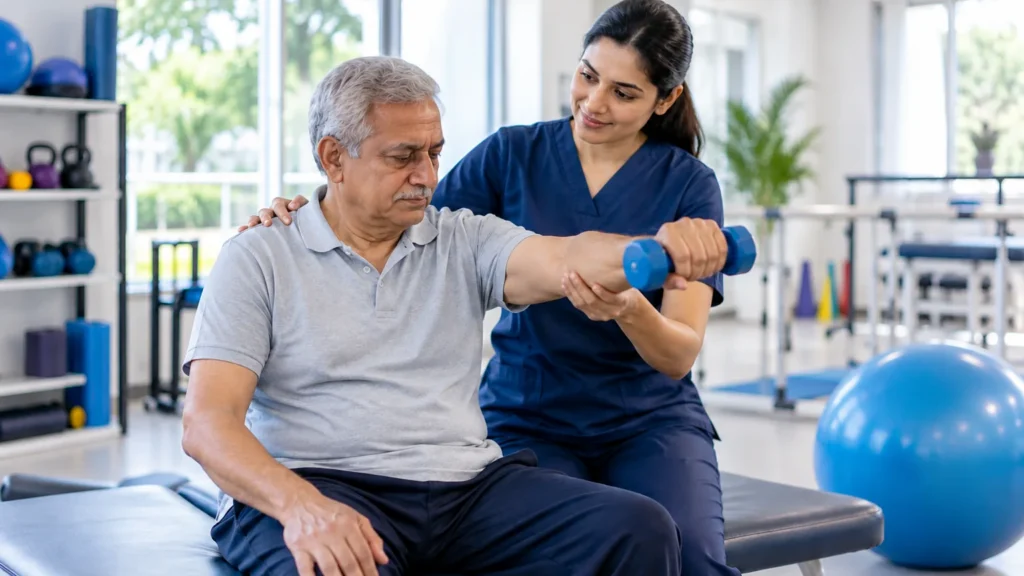
- Physical therapy after stroke targets mobility, strength, balance and coordination. Therapists work on walking, getting out of bed and climbing stairs, and may introduce a cane, walker or ankle brace.
- Occupational therapy after stroke focuses on daily activities such as dressing, bathing, cooking and writing. Therapists teach alternative techniques, such as one-handed methods, and suggest home adjustments.
- Speech and language therapy helps with aphasia (trouble speaking or understanding language), slurred speech from muscle weakness and dysphagia (difficulty swallowing), which affects safe eating and drinking.
- Cognitive rehabilitation addresses memory, attention, planning and problem-solving through exercises and practical strategies such as checklists and routines.
- Psychological support matters because depression and anxiety are common after stroke and can appear at any stage. The American Stroke Association advises that they be assessed during recovery. Support may include counselling, support groups and, when a doctor advises, medicines. Families can read about depression and anxiety treatment.
- Additional support can include rehabilitation nurses (who help with routines and bladder or bowel problems), vision assessment, assistive devices such as grabbers and communication aids, and caregiver education.
Newer approaches, including brain stimulation, robotic devices and virtual-reality training, are still being studied or used selectively. Stem-cell treatment should only be used within a clinical trial (Mayo Clinic). Ask the treating team before trying anything new.
Stroke Recovery Timeline: What to Expect
How long does stroke recovery take? No single answer fits everyone. These stages describe a common pattern, not deadlines.
- First few days -: Care centres on emergency treatment and stabilisation. Rehabilitation often starts in the hospital within about a day or two, once the team judges it safe. Early work is gentle, such as sitting up and checking swallowing. Intensive exercise is not right for everyone yet.
- Weeks 1 to 4 – The team assesses the stroke’s effects and decides where rehabilitation continues: an inpatient unit, an outpatient clinic or home with therapy visits. Daily activities such as washing, dressing and eating become the focus. Tiredness is common and does not mean therapy is failing.
- Months 1 to 3 – This is often the period of fastest gains, as therapy works alongside natural recovery. Setbacks such as infections can pause therapy, and goals are adjusted.
- Months 3 to 6 and beyond – Progress usually slows after about six months but does not stop. Some people regain most abilities, while others live with lasting effects. Improvement has been documented 12 to 18 months after a stroke, and some people keep gaining for years. Those with persistent thinking or memory difficulties can explore cognitive impairment care.
What Factors Affect Stroke Recovery?
- Severity of the stroke: larger injuries generally cause greater effects.
- Location and extent of brain injury: different areas control movement, language, memory and vision.
- Overall health: conditions such as diabetes or heart disease, and existing difficulties such as age-related cognitive decline, can shape the plan.
- Complications: infections, falls, pain and poor sleep can slow progress.
- Rehabilitation access and treatment suitability: starting early with skilled therapists, and whether emergency treatment was possible in time, can matter.
- Consistent practice and social support: gains build with regular practice and encouragement from family and friends.
Two people with similar-looking strokes can recover very differently, so outcomes cannot be predicted from a timeline alone.
How to Support Recovery After a Stroke?
- Follow the rehabilitation plan and ask therapists to explain the goals.
- Practise only approved exercises, and report pain, dizziness or new weakness rather than pushing through.
- Reduce fall risks: clear walkways, secure rugs, improve lighting, fit grab rails and use prescribed aids.
- Attend follow-up visits so progress and medicines can be reviewed.
- Look after emotional well-being. Tell the team about low mood or anxiety, and make sure caregivers get support too.
- Manage risk factors for another stroke with the doctor, including blood pressure, diabetes, cholesterol, activity, diet and tobacco use.
Need Support With Stroke Rehabilitation?
If you or a family member is recovering from a stroke and you are weighing rehabilitation care, speak with the team at Sunshine Wellness Centre in Vasai, near Mumbai. They can explain how their stroke rehabilitation care works and whether it suits your situation.
- Call: +91 75750 57589
- WhatsApp: Message us
- Online: Request a consultation
Explore more patient and caregiver guides on the Sunshine Wellness Centre blog, or visit the Sunshine Wellness Centre website to learn about its care for neurological and cognitive conditions.
Medical disclaimer: This article is for educational purposes only and does not replace advice from a qualified healthcare professional. Recovery differs for every person, so speak with the treating doctor or rehabilitation team before starting, changing or stopping any therapy, exercise or medicine.
Frequently Asked Questions
1. How long does stroke rehabilitation take?
Recovery may take weeks, months or years, depending on the severity of the stroke and the individual’s progress.
2. Can you fully recover from a stroke?
Yes, some people recover fully, while others experience lasting difficulties. Recovery varies from person to person.
3. When should stroke rehabilitation begin?
Rehabilitation can begin once the patient is medically stable and the healthcare team considers it safe.
4. Can you walk again after a stroke?
Many people improve their walking ability with appropriate physiotherapy, although some may need long-term assistance or walking aids.
5. What therapies are used in stroke rehabilitation?
Common therapies include physiotherapy, occupational therapy, speech and language therapy, and cognitive rehabilitation.
6. Can stroke rehabilitation be done at home?
Yes, home-based rehabilitation may be appropriate when the treatment plan and the patient’s condition support it.
7. Can stroke recovery continue after six months?
Yes, improvement can continue for months or years, although the pace and extent of recovery vary.
8. What should you do if stroke symptoms suddenly return?
Seek emergency medical care immediately. Sudden weakness, speech difficulties or facial drooping may indicate another stroke.
About The Author