Attention Deficit Hyperactivity Disorder (ADHD) is commonly associated with childhood. Many people imagine ADHD as a condition that primarily affects school-aged children who struggle to sit still, pay attention, or follow instructions. However, ADHD can continue into adulthood and often remains undiagnosed for years.
Many adults with ADHD go through life believing their challenges are simply personality traits, bad habits, or personal shortcomings. They may struggle with focus, organization, time management, and emotional regulation without realizing there is an underlying neurological condition contributing to these difficulties.
Understanding why ADHD often goes undiagnosed in adults can help individuals recognize symptoms earlier and seek appropriate support.
What Is Adult ADHD?
ADHD is a neurodevelopmental condition that affects attention, impulse control, and executive functioning. While symptoms often begin during childhood, they can persist into adulthood and impact various aspects of daily life.
Adult ADHD may affect:
- Work performance
- Relationships
- Financial management
- Time management
- Emotional wellbeing
- Personal organization
Unlike childhood ADHD, adult symptoms may be less obvious, making diagnosis more challenging.
Why ADHD Is Frequently Missed in Adults?
One of the main reasons ADHD goes undiagnosed is that many adults do not fit the traditional image of someone with ADHD.
Children with ADHD may display hyperactivity, impulsiveness, or classroom disruptions. Adults, however, often experience symptoms differently. Hyperactivity may appear as internal restlessness, racing thoughts, or difficulty relaxing rather than physical overactivity.
Because these symptoms are less visible, they are often overlooked or misunderstood.
Symptoms Can Be Mistaken for Personality Traits
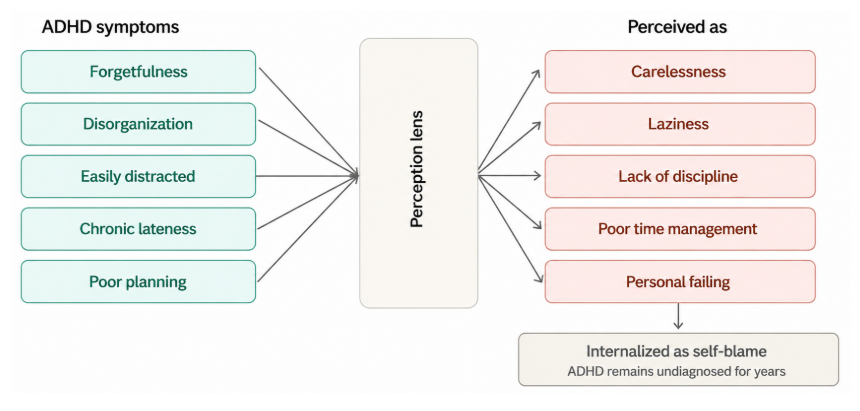
Many symptoms of ADHD can closely resemble everyday personality traits, which is one reason the condition often goes unrecognized in adults. Individuals with ADHD may be perceived as forgetful, disorganized, easily distracted, impulsive, frequently late, or poor at planning and prioritizing tasks.
Because these behaviors are common and can occur in people without ADHD, they are often misunderstood by friends, family members, colleagues, or employers. Instead of recognizing them as potential symptoms of a neurological condition, others may view them as signs of carelessness, laziness, lack of discipline, or poor time management.
Over time, many adults begin to believe these misconceptions themselves, attributing their ongoing struggles to personal shortcomings rather than an underlying medical condition. As a result, they may never consider seeking professional evaluation or support, allowing ADHD to remain undiagnosed for years.
Here’s an illustrative way to see how ADHD symptoms get reinterpreted as personality flaws rather than recognized as a medical condition.
High-Functioning Individuals May Mask Symptoms
Some adults develop effective coping strategies that allow them to function relatively well despite ADHD.
They may rely heavily on reminders, planners, strict routines, or long working hours to compensate for attention difficulties. While these strategies can help, they often require significant effort and may lead to chronic stress or burnout.
Because these individuals appear successful on the surface, their struggles frequently go unnoticed.
Symptoms Often Overlap with Other Conditions
ADHD shares symptoms with several mental health conditions, making diagnosis more complicated.
Common overlapping conditions include anxiety disorders, depression, bipolar disorder, stress-related disorders, and sleep disorders.
For example, difficulty concentrating may be attributed to anxiety or depression rather than ADHD. Similarly, emotional instability may be mistaken for mood disorders.
Without a comprehensive assessment, ADHD can remain hidden behind other diagnoses.
Many Adults Were Never Evaluated as Children
Awareness of ADHD has increased significantly in recent years. However, many adults grew up during a time when ADHD was less recognized or understood.
As children, they may have been labeled as: Daydreamers, Lazy students, Unmotivated learners, Poorly organized individuals
Because they never received proper assessment, symptoms continued into adulthood without explanation.
Common Signs of ADHD in Adults
Although symptoms vary, certain patterns frequently appear.
Adults with ADHD may experience:
1. Difficulty Maintaining Focus
They may struggle to stay focused during meetings, conversations, or lengthy tasks.
2. Chronic Disorganization
Managing schedules, paperwork, deadlines, and household responsibilities can feel overwhelming.
3. Poor Time Management
Many adults underestimate how long tasks will take and frequently run late.
4. Impulsivity
Impulsive spending, interrupting conversations, or making quick decisions without considering consequences may occur.
5. Emotional Regulation Difficulties
Some individuals experience frustration, irritability, or mood fluctuations more intensely than others.
6. Difficulty Completing Tasks
Starting projects is often easier than finishing them. Multiple unfinished tasks may accumulate over time.
Impact on Daily Life
Undiagnosed ADHD can affect nearly every area of life.
Workplace Challenges
Adults may struggle with deadlines, prioritization, and maintaining focus on repetitive tasks.
Relationship Difficulties
Forgetfulness, distraction, and impulsive behavior can create misunderstandings with partners, family members, and friends.
Financial Problems
Impulsive spending and difficulty managing bills or budgets may contribute to financial stress.
Reduced Self-Esteem
Years of struggling without understanding why can lead to feelings of failure, guilt, and low confidence.
Benefits of Receiving a Diagnosis
For many adults, receiving an ADHD diagnosis brings relief and clarity.
A diagnosis helps individuals understand that their challenges are not due to laziness or lack of effort. Instead, they are symptoms of a recognized condition that can be managed effectively.
Diagnosis also opens access to professional support, treatment options, and coping strategies that improve quality of life.
Treatment and Management
ADHD treatment is highly individualized and may include:
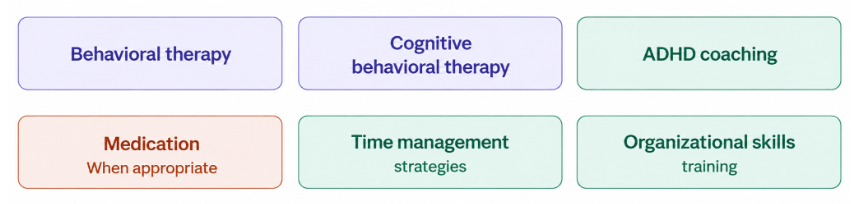
Lifestyle adjustments such as regular exercise, healthy sleep habits, and structured routines can also significantly improve symptoms.
When to Seek Professional Help?
It may be helpful to seek professional evaluation if symptoms consistently interfere with work, relationships, or daily responsibilities.
Early diagnosis and intervention can improve productivity, emotional well-being, and overall life satisfaction.
Final Thoughts
ADHD is not just a childhood condition. Many adults live with undiagnosed ADHD for years, often misunderstanding their struggles as personal flaws rather than symptoms of a treatable condition.
Recognizing the signs and seeking professional support can lead to greater self-awareness, improved functioning, and a better quality of life. With the right treatment and strategies, adults with ADHD can successfully manage symptoms and reach their full potential.